Mad River Valley Shows Up Strong at Vermont Tourism Day
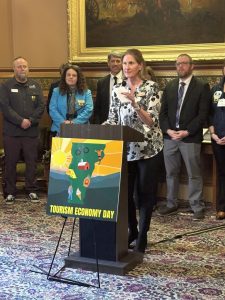
Molly Mahar, President of Ski Vermont, MRV Chamber member and MRV resident speaks at Tourism Day at the Statehouse.
When it comes to showing up for Vermont’s visitor economy, the Mad River Valley doesn’t sit on the sidelines.
At this year’s Vermont Tourism Day at the State House in Montpelier, a contingent of Mad River Valley Chamber members made the trip over the hill to ensure our region—and the businesses that power it—had a seat at the table.
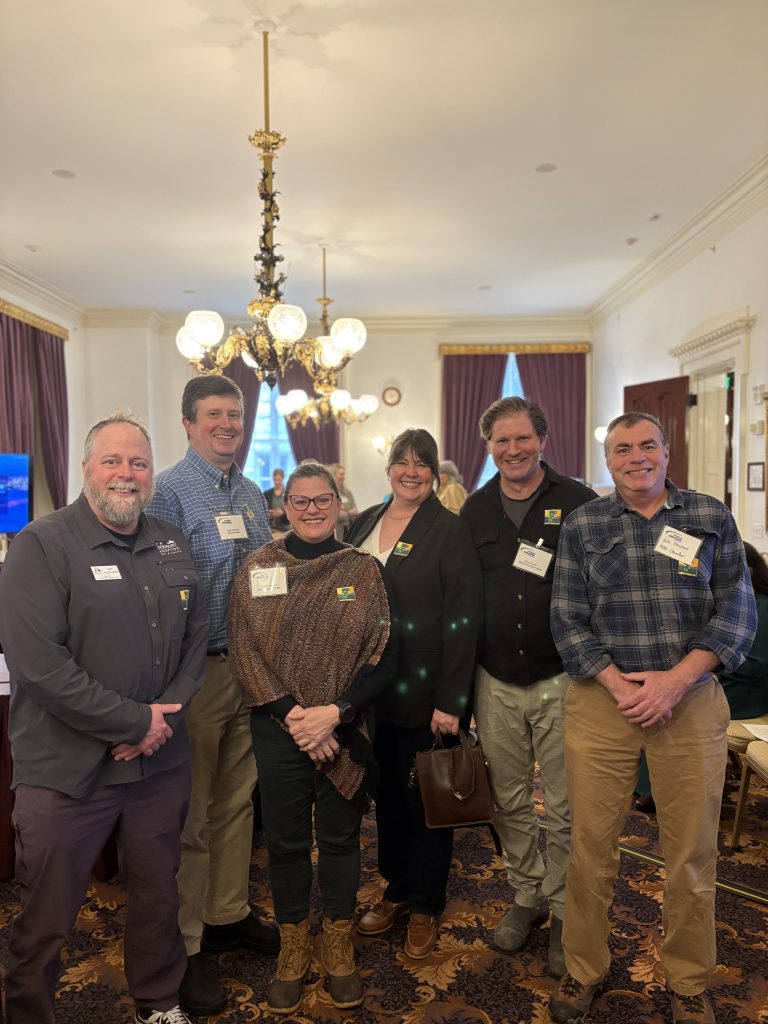
Representing the Valley were Farrell Leo and Sean Kramer of the 1824 House, Ryan Donnelly of Hostel Tevere, Jeff Alexander of Vermont Adaptive Ski and Sports, Christa Bowdish of the Old Stagecoach Inn, and Eric Friedman of the Mad River Valley Chamber of Commerce.
Showing Up for a $4.2 Billion Industry
Tourism isn’t just a nice-to-have in Vermont—it’s a cornerstone of the state’s economy. With a $4.2 billion annual economic impact and supporting 9% of Vermont’s workforce, the visitor economy touches nearly every corner of our communities.
Tourism Day brings that reality directly into the State House, giving business owners and industry leaders the opportunity to connect with legislators, share real-world perspectives, and reinforce just how vital this sector is to Vermont’s future.
And this year, the Mad River Valley made sure its voice was heard.
Real Conversations, Real Impact
The day was designed around access and engagement—an opportunity to be in the room as key conversations shaping Vermont’s economy unfold. Attendees heard directly from leaders like John Rodgers, Abbey Duke, and Heather Pelham, alongside industry voices including Molly Mahar, Amy Spear, and Eric Warnstedt.
These weren’t abstract policy discussions—they were grounded in the day-to-day realities of running businesses, employing Vermonters, and welcoming visitors from around the world.
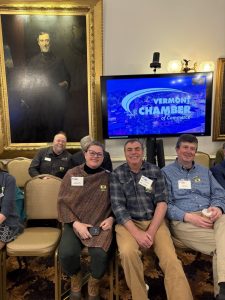
Christa Bowdish owner of the Old Stagecoach Inn, Eric Friedman from the Chamber and Ryan Donnelly from Hostel Tevere at the Tourism Committee Hearing on Tourism Day at the Statehouse.
Leading on a Critical Issue
One area where the Mad River Valley stood out was in conversations around inconsistent enforcement of fire safety regulations—an issue that is having a very real and immediate impact on lodging and hospitality businesses.
Our delegation came prepared, not just to raise concerns, but to lead. We connected with other business owners and hospitality organizations from across the state who are facing similar challenges, helping to elevate this as a broader, statewide issue rather than an isolated concern.
This is where the MRV continues to distinguish itself: identifying challenges early, organizing around them, and working collaboratively toward solutions. It’s another example of the Valley stepping into a leadership role and punching well above its weight when it comes to shaping policy conversations that affect the entire industry.
The MRV Difference
What stood out most was how well the Mad River Valley’s business community represents the diversity and strength of Vermont tourism.
From historic inns and boutique lodging to hostels and adaptive recreation, the MRV offers something increasingly valuable in today’s travel landscape: authentic, high-quality experiences rooted in place.
And that matters.
As Vermont continues to attract visitors who are looking for more than just a quick getaway—travelers who stay longer, spend more, and engage more deeply with local communities—the Mad River Valley is uniquely positioned to deliver.
Why It Matters
Events like Tourism Day aren’t just about visibility—they’re about advocacy.
They’re about ensuring that legislators understand the impact of decisions around marketing, regulation, housing, and workforce on businesses like ours. They’re about building relationships that help shape a more supportive environment for the people and organizations driving Vermont’s economy forward.
Most importantly, they’re about showing up.
Because when the Mad River Valley shows up, people notice.
And this year in Montpelier, we didn’t just show up—we helped lead the conversation.